Yara Long · 8 September 2026
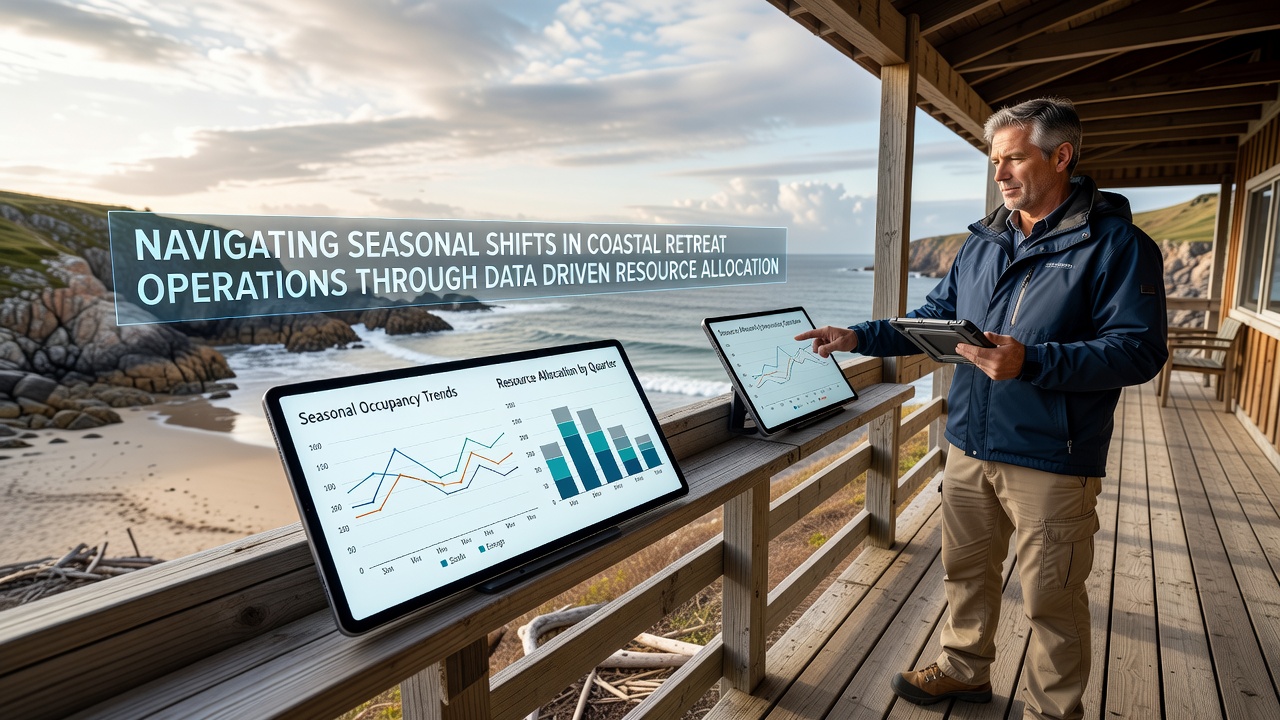
Navigating Seasonal Shifts in Coastal Retreat Operations Through Data Driven Resource Allocation
Coastal retreat operations experience predictable yet complex fluctuations in demand and environmental conditions across different seasons, and data driven resource allocation helps organizations adjust staffing levels, inventory management, and infrastructure maintenance based on measurable patterns rather than assumptions alone.
Researchers at various marine science institutions have documented how visitor traffic peaks during summer months in temperate regions while winter brings increased storm risks that affect both accessibility and operational safety, and these variations require precise forecasting models that integrate weather data with booking trends and historical occupancy rates.
Understanding Seasonal Demand Patterns
Coastal facilities track multiple variables including precipitation levels, wind speeds, and tidal ranges because these factors directly influence guest arrivals and the need for additional support services, and analysis of multi-year datasets reveals consistent cycles where shoulder seasons often see 30 to 40 percent lower occupancy compared to peak periods according to tourism reports from regional authorities.
Organizations in Australia and Canada have implemented sensor networks that monitor beach erosion rates and water temperatures, and the resulting information feeds into allocation systems that determine when to deploy extra maintenance crews or reduce energy consumption in underutilized areas during off-peak months.
Data Sources and Integration Methods
Modern allocation systems pull information from satellite observations, local meteorological stations, and reservation platforms simultaneously, and this combined dataset allows operators to predict resource needs several weeks ahead with greater accuracy than single-source approaches. Government agencies such as the National Oceanic and Atmospheric Administration provide open datasets on sea level variations and storm frequency that coastal managers incorporate into their planning tools, while academic studies from European universities add layers of analysis on long-term climate influences.

Integration platforms normalize these diverse inputs into unified dashboards that highlight upcoming periods of high demand or environmental stress, and staff members use the outputs to schedule equipment rentals or temporary housing adjustments without overcommitting budgets during quieter intervals.
Allocation Strategies Across Key Periods
During spring and fall transitions, operators often shift focus toward preventive maintenance and staff training because visitor volumes decrease and weather remains relatively stable, and data models help identify the optimal timing for these activities by comparing energy usage logs with projected occupancy curves. Summer operations require scaled-up food service capacity and lifeguard presence, whereas autumn preparations include reinforcing structures ahead of potential storm seasons based on forecast probabilities released by agencies like the Australian Bureau of Meteorology.
One documented approach involves creating tiered response protocols where resource thresholds trigger automatic reallocation, such as moving additional security personnel to high-traffic zones when booking data exceeds a certain percentage of capacity, and similar systems have been adopted by facilities along the North American Atlantic coast.
September 2026 Considerations
Projections for September 2026 indicate continued emphasis on hurricane preparedness in the Atlantic basin alongside gradual increases in shoulder-season tourism, and coastal retreat managers are already reviewing updated datasets to refine allocation models that account for both factors. European Union environmental monitoring programs supply complementary data on Mediterranean water conditions that affect late-summer operations in those regions, allowing cross-continental comparisons that strengthen predictive accuracy.
Conclusion
Effective navigation of seasonal shifts in coastal retreat operations ultimately depends on consistent collection and application of relevant datasets across all planning stages, and organizations that maintain integrated monitoring systems demonstrate measurable improvements in resource efficiency and operational continuity throughout the annual cycle.