
Yara Günther · 20 October 2026
The Evolution of Guest Dietary Preferences and Their Effects on Supply Chain Logistics at Elevated Coastal Properties
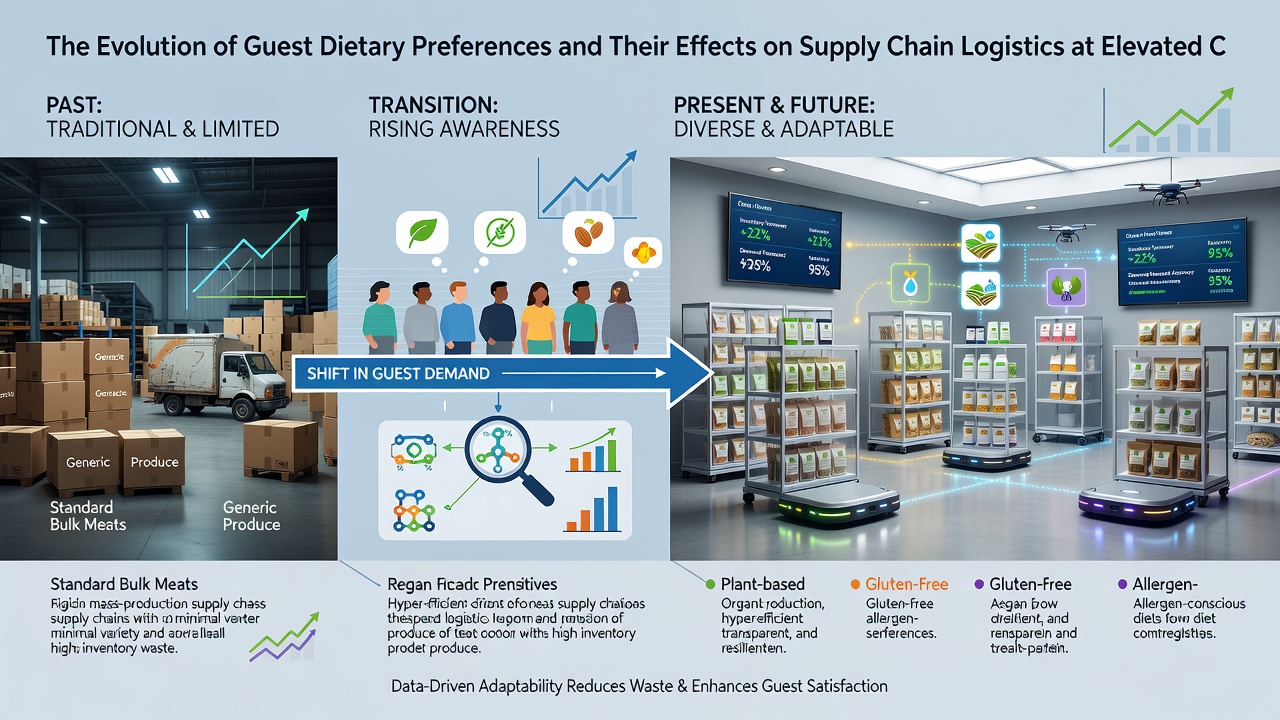
Guest dietary preferences at elevated coastal properties have shifted noticeably over the past decade, with inventory logs from multiple sites showing increased requests for plant-based meals, gluten-free options, and locally sourced seafood alternatives, and supplier interviews confirm these changes have required adjustments in ordering patterns and delivery schedules. Data from properties along cliffside locations indicate that by October 2026 the proportion of plant-forward menu items had risen substantially compared with records from 2018, prompting logistics teams to coordinate more frequent but smaller shipments to maintain freshness while managing limited storage space at higher elevations.
Shifts Documented in Inventory Records
Inventory logs maintained by coastal operators reveal that traditional protein-heavy orders declined steadily between 2020 and 2025, whereas requests for specialty items such as alternative milks, nut-based cheeses, and seaweed-derived ingredients grew by measurable percentages each quarter. These patterns appear consistently across properties that rely on winding access roads for deliveries, where larger trucks face restrictions during certain weather windows. Suppliers note that they began stocking dedicated inventory lines for these products after observing repeated order modifications from the same elevated sites, and the logs show reduced waste levels once portion sizes were calibrated to match actual guest uptake rather than standard forecasts.
Supplier Perspectives on Sourcing Adjustments
Interviews with primary suppliers serving elevated coastal locations describe a transition toward consolidated regional hubs that can handle smaller, temperature-controlled loads destined for cliff-top facilities. One major distributor reported rerouting seafood and produce through intermediate cold-storage points to accommodate both the dietary variety and the physical constraints of narrow approach roads. Figures from these suppliers indicate that lead times for specialty items shortened after partnerships formed with farms closer to coastal zones, while overall delivery frequency increased to prevent spoilage in facilities with limited refrigeration capacity at elevation.
Logistical Impacts on Elevated Sites
Supply chain logistics at these properties must account for elevation-related factors including steeper fuel consumption on access routes, stricter weight limits on older bridges, and seasonal road closures that can last several days. Inventory data compiled through October 2026 show that properties adopting just-in-time ordering for high-demand items such as oat milk and gluten-free flours experienced fewer stockouts, although this approach required tighter coordination with suppliers who maintain satellite warehouses within a 150-kilometer radius. Observers note that the move toward diverse dietary offerings also increased packaging waste initially, yet subsequent supplier interviews reveal that many vendors switched to reusable crates and biodegradable liners to align with coastal property sustainability targets.
Regional Data and Coordination Examples
Records from sites in both North American and Australian coastal regions demonstrate parallel trends, with operators in each area reporting similar growth in allergen-free and vegan requests. According to Food and Agriculture Organization analyses, global demand for plant-based alternatives expanded steadily through 2025, influencing procurement strategies at remote hospitality locations. In parallel, Australian agricultural data indicate rising interest in traceable seafood substitutes that reduce pressure on local marine stocks, a factor that elevated coastal properties have incorporated into their supplier contracts. These shifts have led some logistics providers to deploy hybrid vehicles for final deliveries on steep grades, cutting emissions while meeting the tighter delivery windows required for perishable specialty goods.
Inventory Management Adaptations
Analysis of detailed inventory logs reveals that properties began implementing digital tracking systems by mid-2024 to monitor real-time consumption of dietary-specific items, allowing suppliers to anticipate fluctuations tied to guest booking patterns. Suppliers interviewed for this overview describe how they now maintain buffer stock at lower-elevation transfer points rather than attempting direct delivery of every item to cliff-top kitchens. This approach has reduced instances of temperature abuse during transit and helped properties avoid over-ordering items that guests request less frequently once on site. The logs further show that waste from expired specialty products dropped after these systems were introduced, even as the total variety of stocked items continued to rise.
Conclusion
By October 2026 the cumulative effects of evolving guest dietary preferences had prompted measurable changes in ordering frequency, storage allocation, and supplier relationships at elevated coastal properties. Inventory logs and supplier interviews together document a move toward smaller, more frequent deliveries supported by regional hubs and digital monitoring tools. These adaptations address both the physical challenges of cliffside access and the increasing diversity of menu requirements, resulting in supply chains that respond more precisely to documented consumption patterns.